
We need to talk about your binder behavior.
I know how it goes. You spend months hunting down that specific chase card. You win the auction, you crack the pack, or you finally get the return submission from PSA. You admire the card for exactly 30 seconds, and then… thwack. You shove it into a dark binder, slide that binder onto a shelf, and don’t look at it again for six months.
Why do we do this? We treat our collections like national secrets buried in a vault.
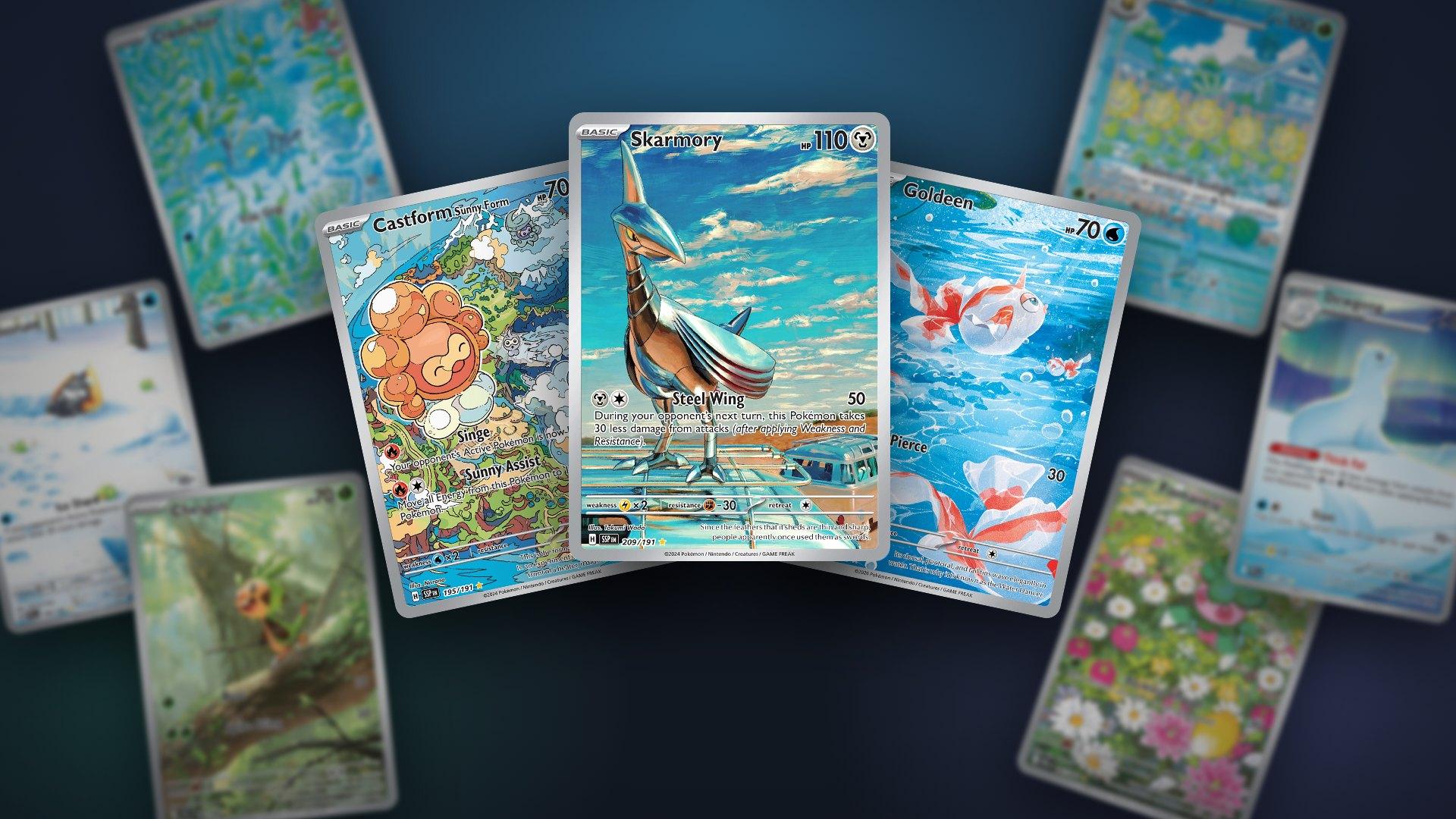
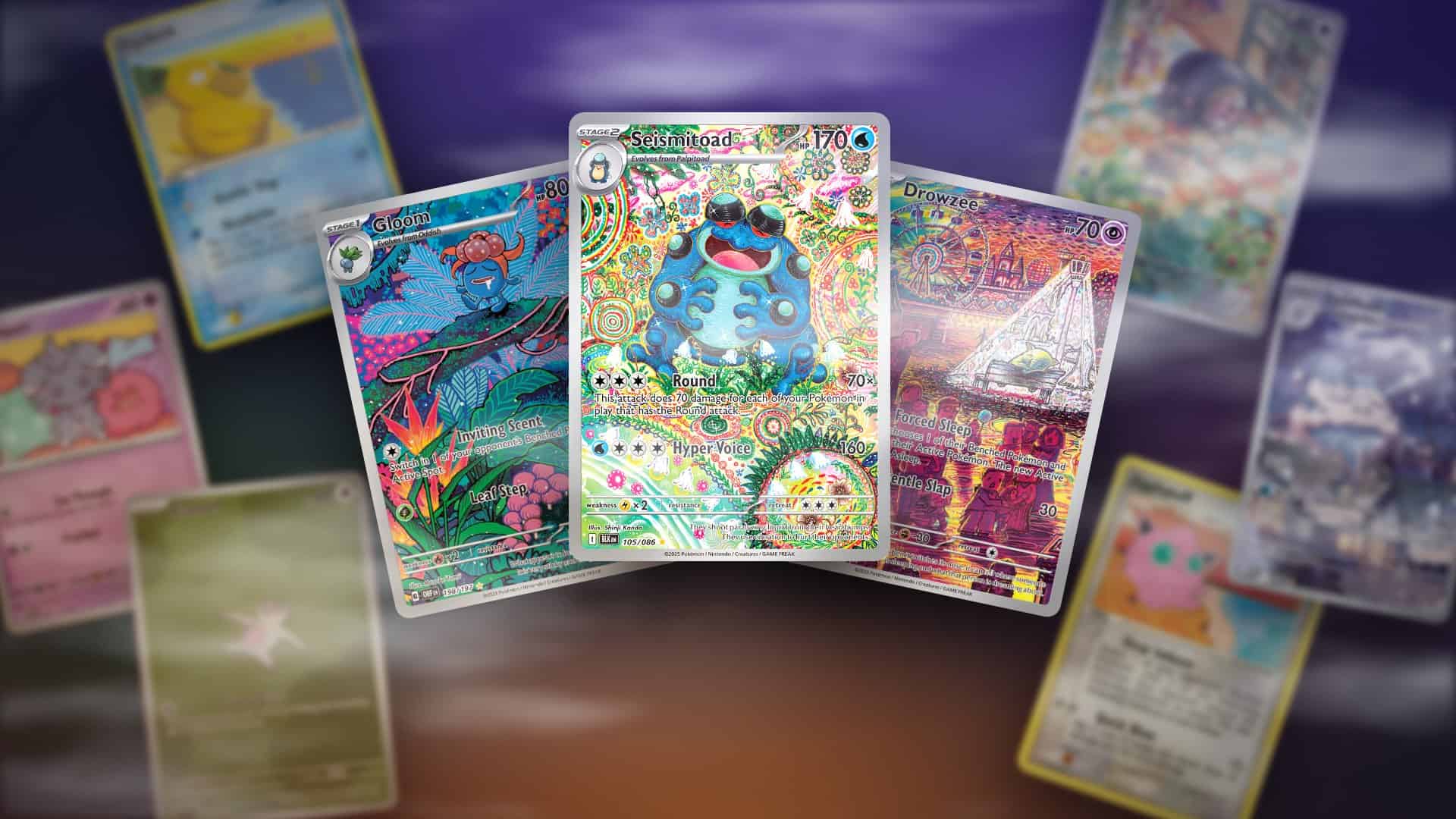
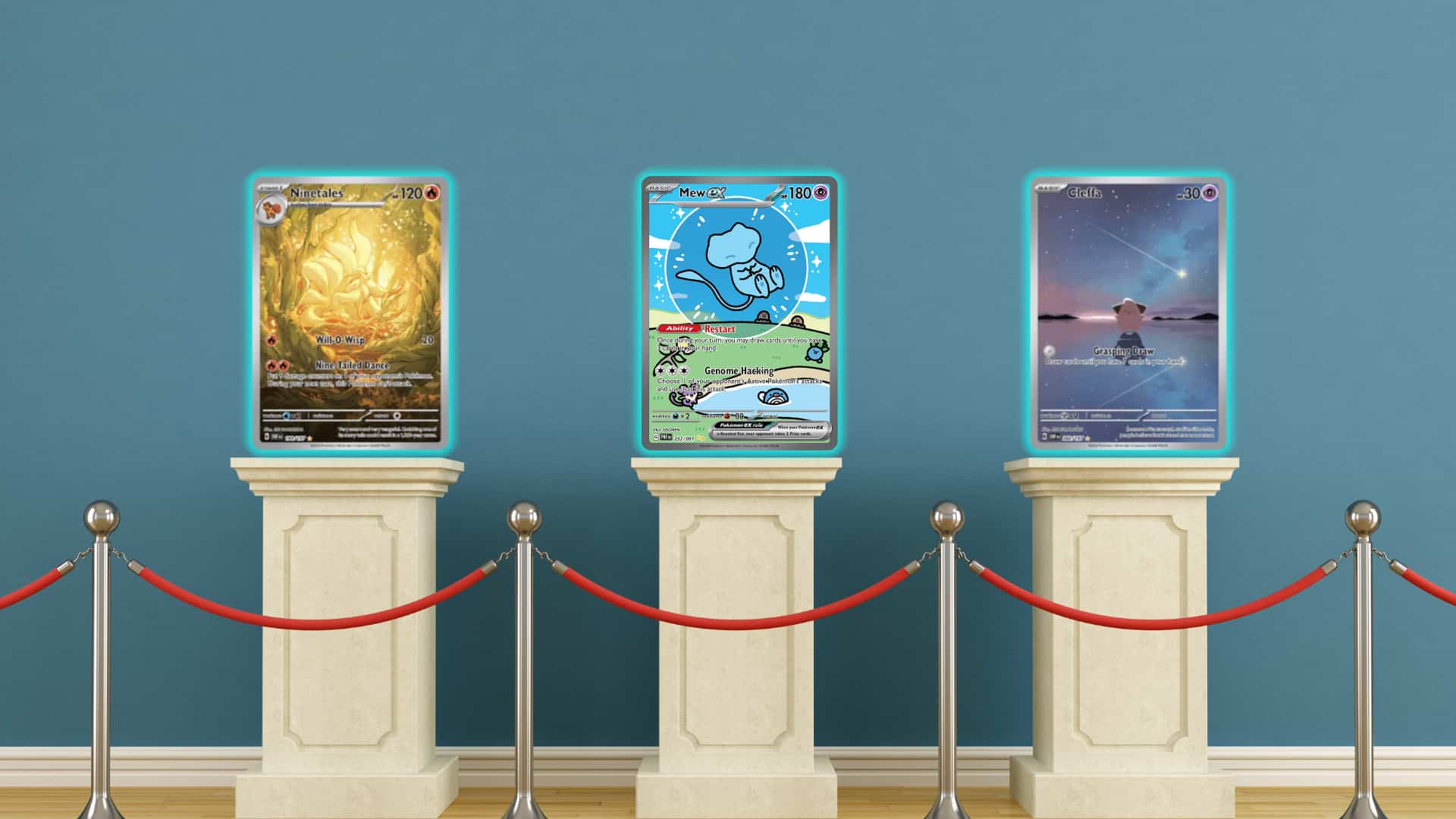
But Pokémon cards are miniature pieces of art. That alternate art Giratina V or that vintage Shining Charizard deserves to be seen, not suffocated in plastic purgatory.
However, displaying cards comes with risks. If you do it wrong, you might end up destroying the very value you’re trying to show off. I’ve seen horror stories of thousands of dollars wiped out by sunlight and humidity.
Today, we are going to “Free the Zard.” Here is the ultimate guide to displaying your holy grails safely, stylishly, and without turning them into sun-faded coasters.
The Invisible Enemy: UV Light
Before you set up a cool display shelf next to your window, stop.
The sun is the absolute worst enemy of trading cards. UV (Ultraviolet) light breaks down the ink on the card stock. It turns vibrant reds into dull pinks and deep yellows into washed-out whites.
While some collectors are actually fading their cards on purpose to create “ghost rares,” for the rest of us, sun damage is a tragedy. And it doesn’t take direct sunlight to do damage; even ambient light over a few years can lower a card from Near Mint condition to “Damaged.”
The Golden Rule: Never display cards in direct path of a window. If you want to display them in a bright room, you must use UV-protected cases.
Track Your TCG Collection
Create your free Card Codex account to monitor card prices, view real-time market trends, and analyse your portfolio’s growth.
Start Tracking Now — It’s FreeChoosing Your Armor: The Case Types
You can’t just lean a raw card against a wall. You need armor. Here are the best options for display:
1. The Magnetic “One-Touch” Case
For raw (ungraded) cards, the Ultra PRO (or similar brand) “One-Touch” magnetic case is the gold standard. They look sleek, they feel heavy, and they snap shut with a satisfying click.
The Pro Tip: Most magnetic cases claim to have UV protection, but not all are created equal. Look specifically for cases labeled “UV Safe.”
The “Perfect Fit” Sleeve: Never put a raw card directly into a magnetic case without a sleeve. The hard plastic can scratch the surface of the holo. Buy “Perfect Fit” sleeves—they are tighter than penny sleeves and fit snugly inside the One-Touch recess.
2. The Graded Slab
If you have already encapsulated your card in a PSA, BGS, or CGC slab, you are halfway there.
These cases are sonically welded and designed to be tough. However, contrary to popular belief, PSA cases are NOT fully UV proof. They are UV resistant. If you leave a PSA 10 Charizard on a windowsill, it will fade.
If you are displaying slabs in a bright room, consider buying “Slab Guards” or “Graded Card Sleeves” that add an extra layer of UV filtering film over the case.
3. The Screw-Down (Avoid These!)
If you find an old screw-down case from the 90s in your garage—throw it away.
Old-school non-recessed screw-downs literally crush the card flat. If you leave a card in there for years, it will flatten the texture so much that grading companies will deem it “Altered” and refuse to grade it. Don’t risk your grails on tech from 1999.
The Setup: Stands and Frames
Now that your card is armored, how do you actually show it off?
For the Desk Setup: Acrylic Stands
Simple is often best. Small, clear acrylic easels cost pennies and let the card shine without distraction.
If you want to get fancy, there are 3D-printed stands available on Etsy that are themed to specific types—like a stand that looks like Fire energy flames for your Charizard, or a Psychic swirl for your Mewtwo. These add a massive “wow” factor to a display.
For the Wall: Frame It Up
If you have a complete set or a specific evolution line (like Charmander, Charmeleon, Charizard), a frame looks incredible.
You can buy frames specifically cut to hold magnetic cases or slabs. Just remember my earlier warning about light. If you hang a frame, make sure it’s on a wall that never gets hit by the sun’s death rays.
Note: This applies to Jumbo cards too! They make specific frames for those massive promo cards that usually just get shoved in a closet.
Environmental Hazards: Humidity and Theft
Light isn’t the only thing that kills cards.
Humidity: High humidity causes cards to curl (the dreaded “Pringling”). Avoid displaying cards in basements without dehumidifiers, and definitely don’t put them near the bathroom. Moisture can get inside cases and cause mold or rippling.
Security: A display case is beautiful, but it’s also a target. If you have thousands of dollars sitting on a shelf, think about who comes into your house. If you host a lot of parties or have curious toddlers, maybe keep the $500 cards in the safe and display the $20 cards.
Also, if your display value gets really high, check your policy. You might need to insure your collection separately, as standard home insurance often caps collectibles at a low limit.
Finally, Enjoy Your Art
Collecting is supposed to be fun. It’s supposed to spark joy.
There is a specific feeling you get when you walk past your desk and see your favorite card glistening under an LED light (LEDs emit very little UV, by the way—they are safe!). It reminds you why you grind for these things in the first place.
So, go dig that favorite card out of the dark binder. Buy a UV-protected magnetic case. Put it on a stand. Just keep it out of the sun, and enjoy the art.
How do you display your collection? Do you have a dedicated “shrine” or a simple desk setup? Let me know on Discord!